
The text below was published on the Brazilian PlayStation Blog.
As mentioned in our previous article, traveling to Japan was pivotal in shaping Ghost of Yōtei‘s world design.

Sucker Punch is an American studio, so we knew we lacked much cultural knowledge needed to recreate feudal Japan. This required significant assistance. Fortunately, as part of PlayStation Studios, we benefited from our Tokyo team’s tireless contributions during Ghost of Tsushima. As you might expect, we followed the same approach for Ghost of Yōtei—this time expanding our advisory board.
When choosing Hokkaido as our setting, we recognized the critical importance of respectfully representing Ainu culture. Before our research trip, we’d met an Ainu cultural advisor who graciously introduced us to her family. Together, we hiked a local mountain while foraging vegetables, creating deeper connections. It was incredible—our entire Sucker Punch team stopped taking photos and dug our hands into the soil, truly observing the plants beneath our feet. This moving experience forged new friendships and began our Ainu cultural education. That evening, we decided to include foraging gameplay so players could share in this privileged experience.


We also visited exhibitions at Nibutani Ainu Museum and consulted our advisor, gaining insights into authentic objects and their in-game implementations.

Exploring Oshima Peninsula revealed how Matsumae clan members lived during our game’s 1603 setting. Cherry blossoms—imported from Honshū—were widespread here but rare elsewhere, highlighting Hokkaido’s sparse Wajin population. We mirrored this by creating wilderness areas between settlements. Deeper in Oshima Peninsula, the Matsumae clan strongly embodied Honshū’s spirit.

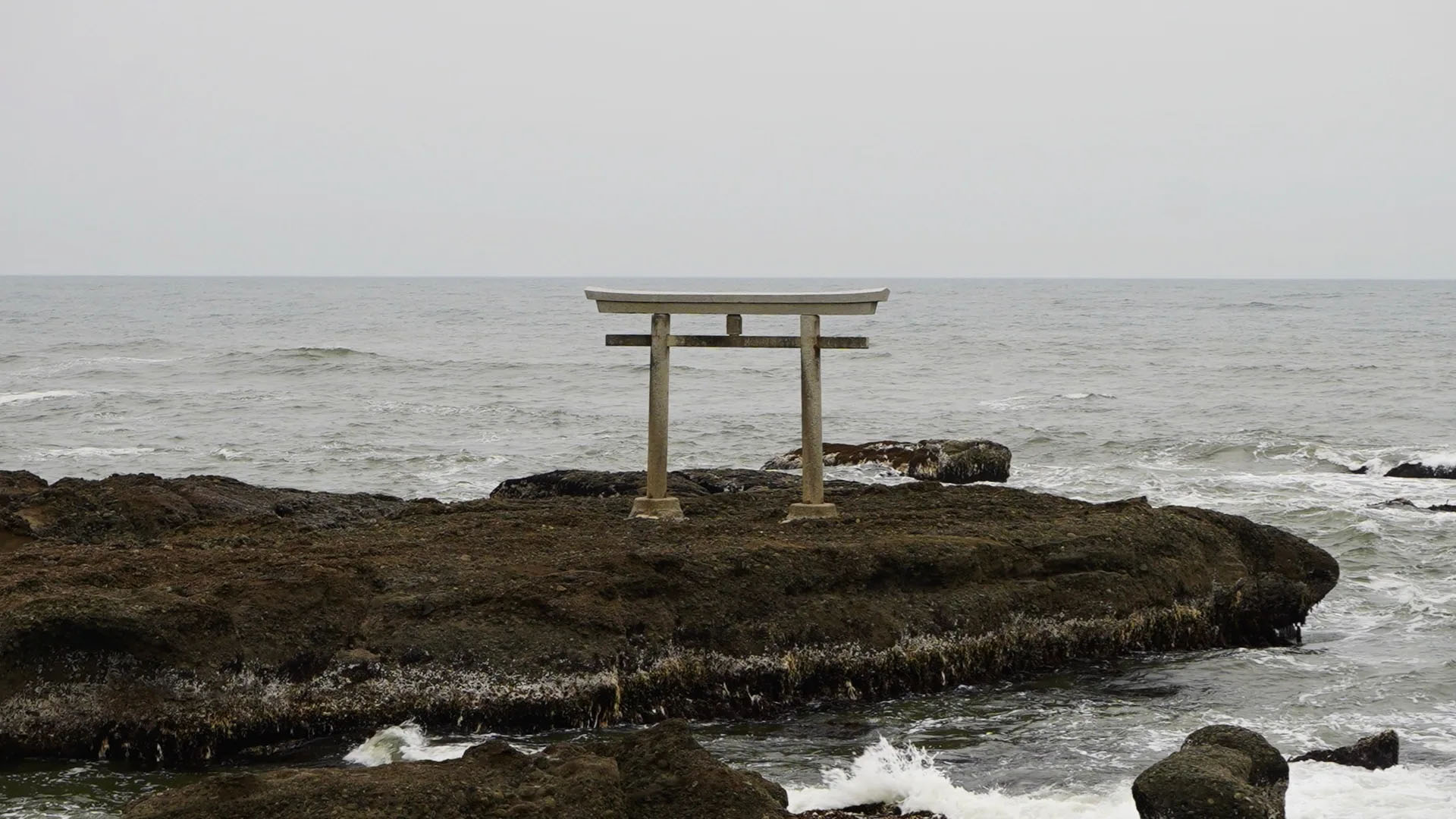
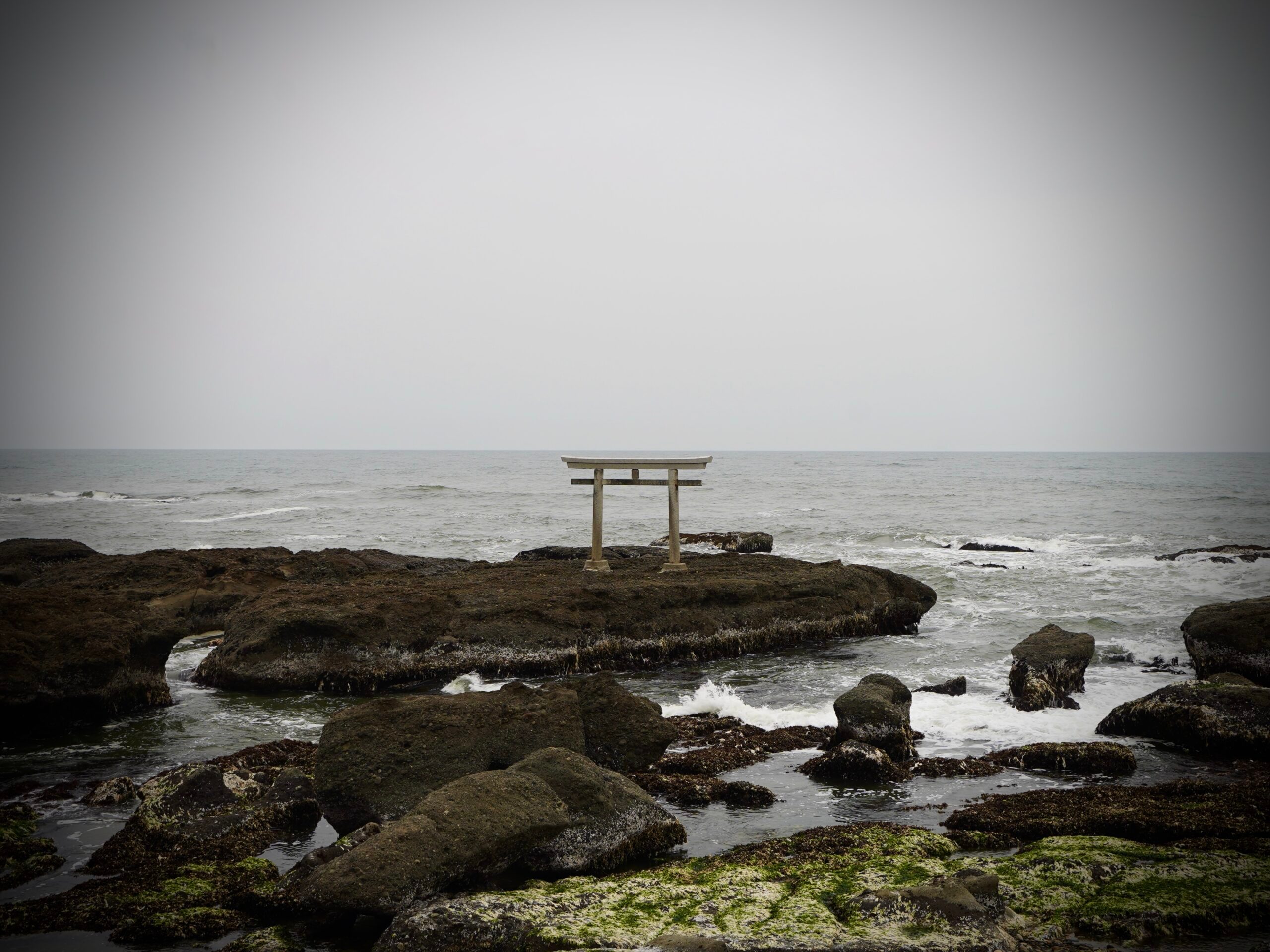
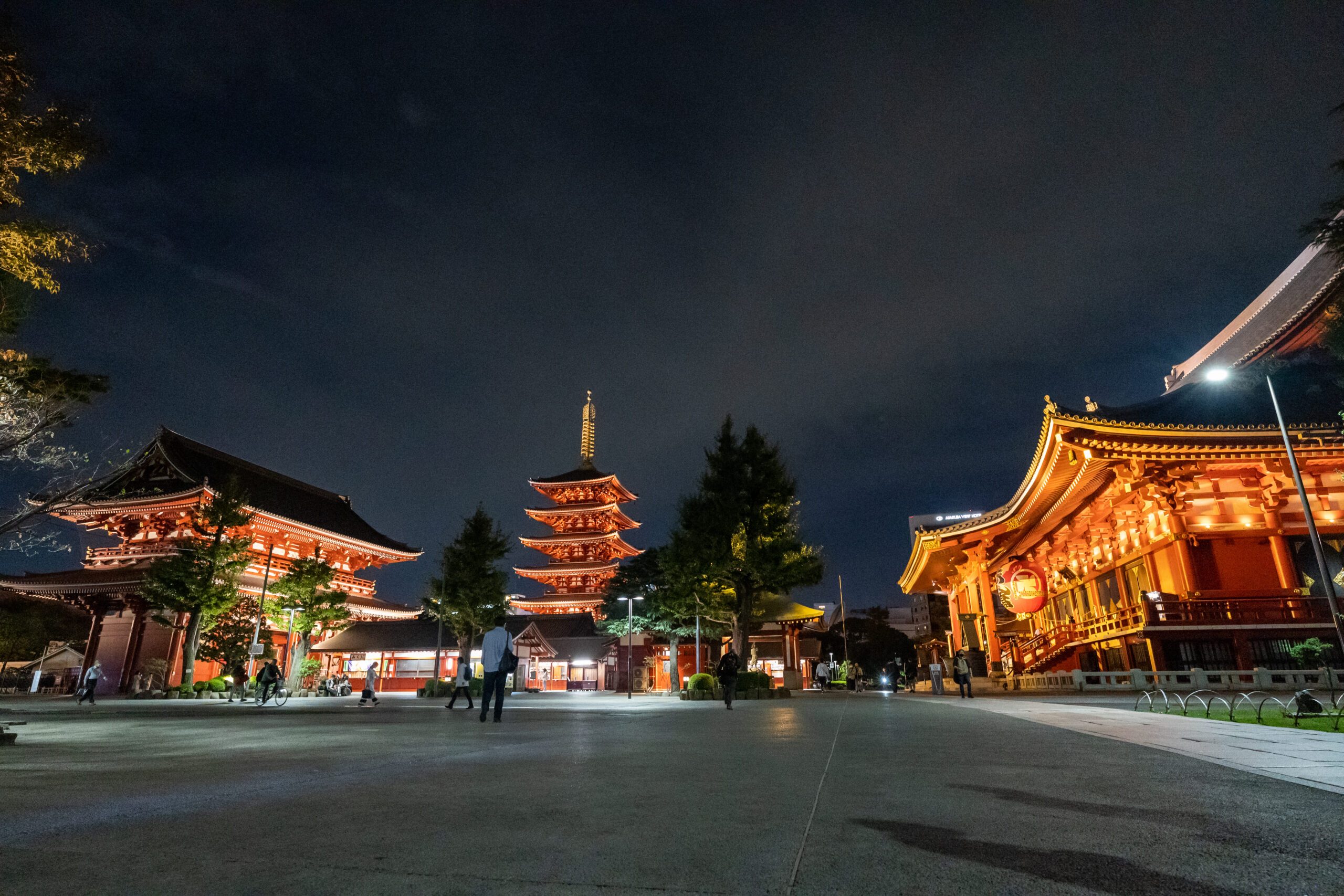
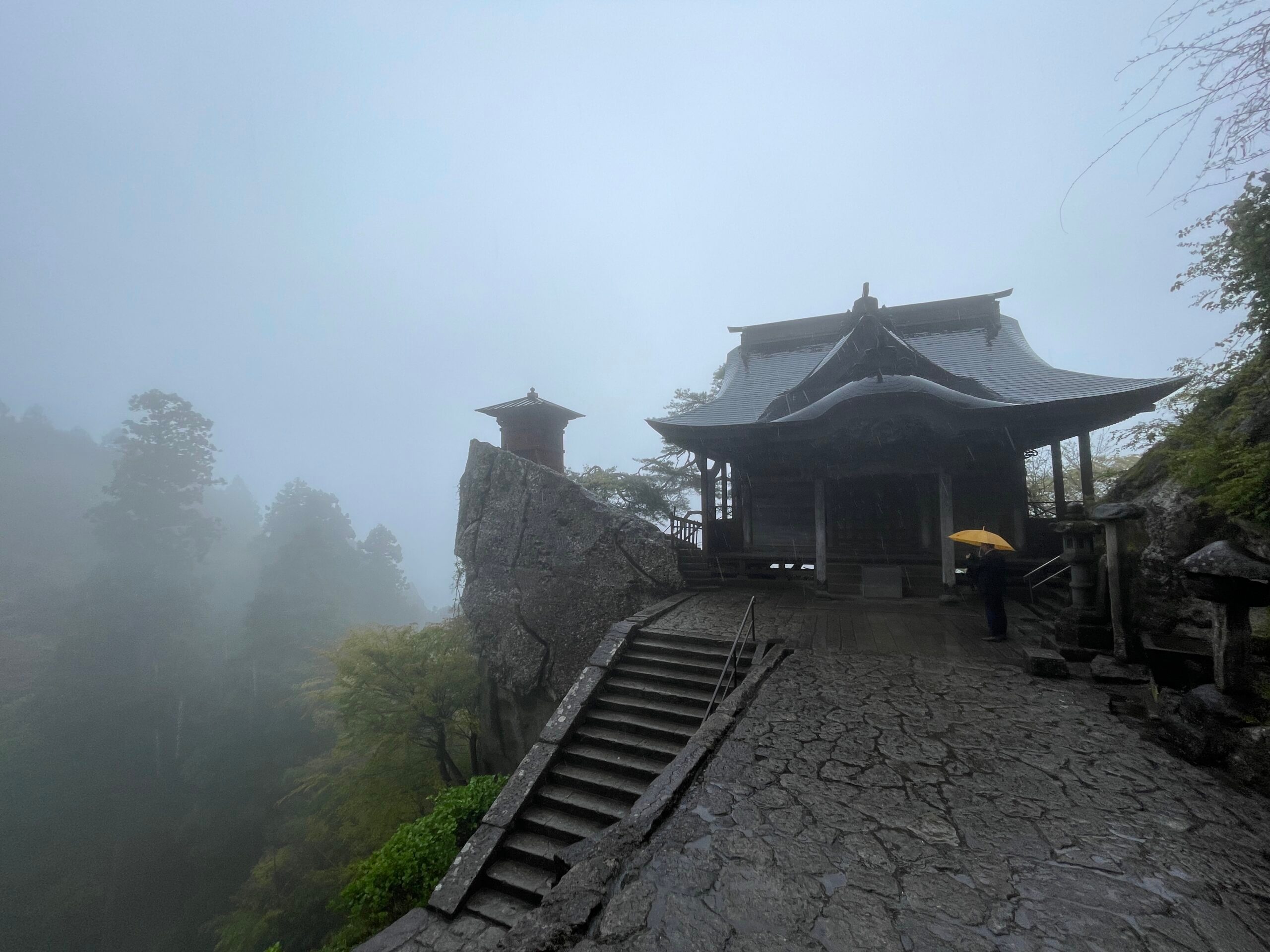
Producer Ryuhei Katami guided us through Honshū to study Edo period culture. Here are some photos from our expedition:
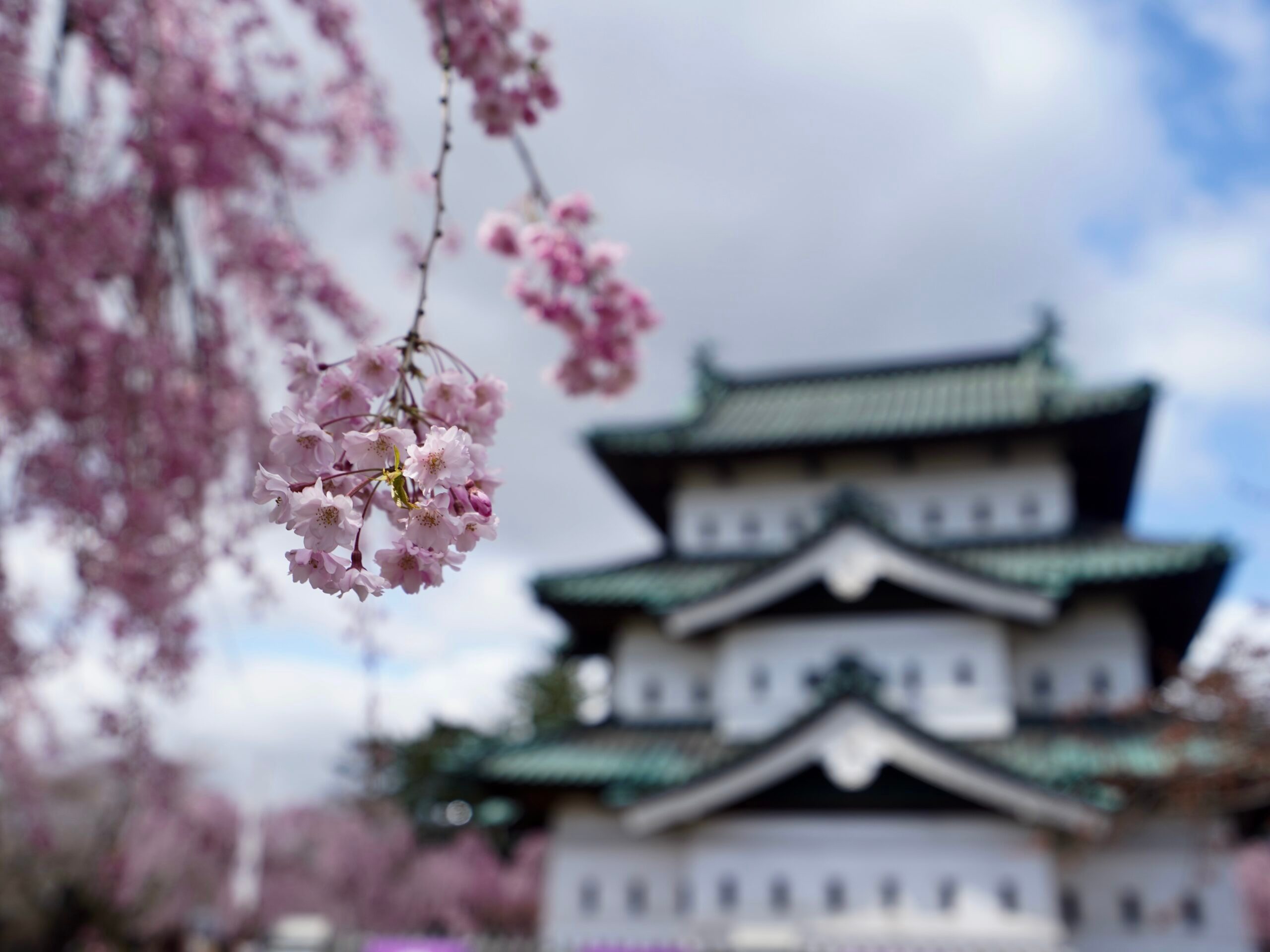
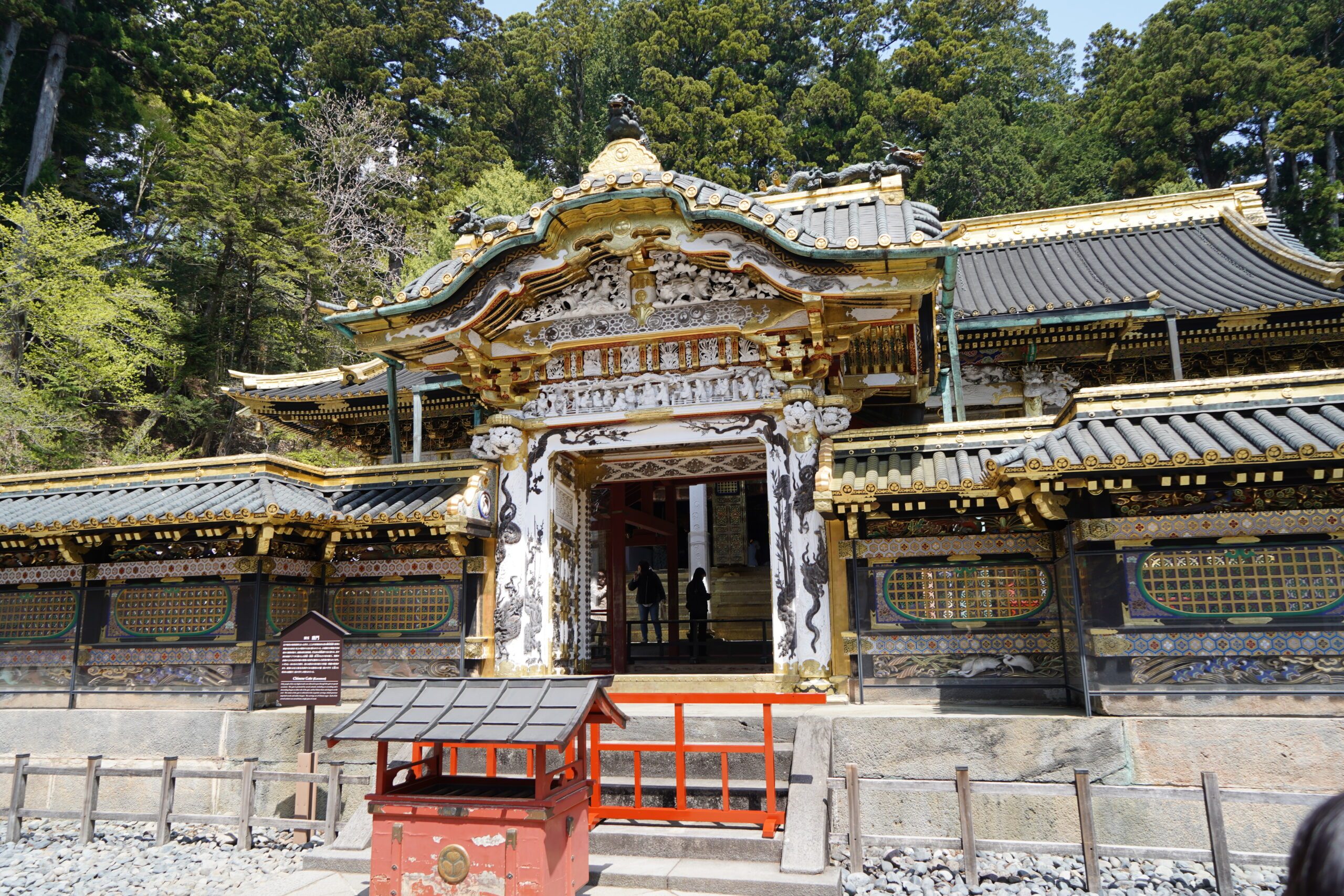
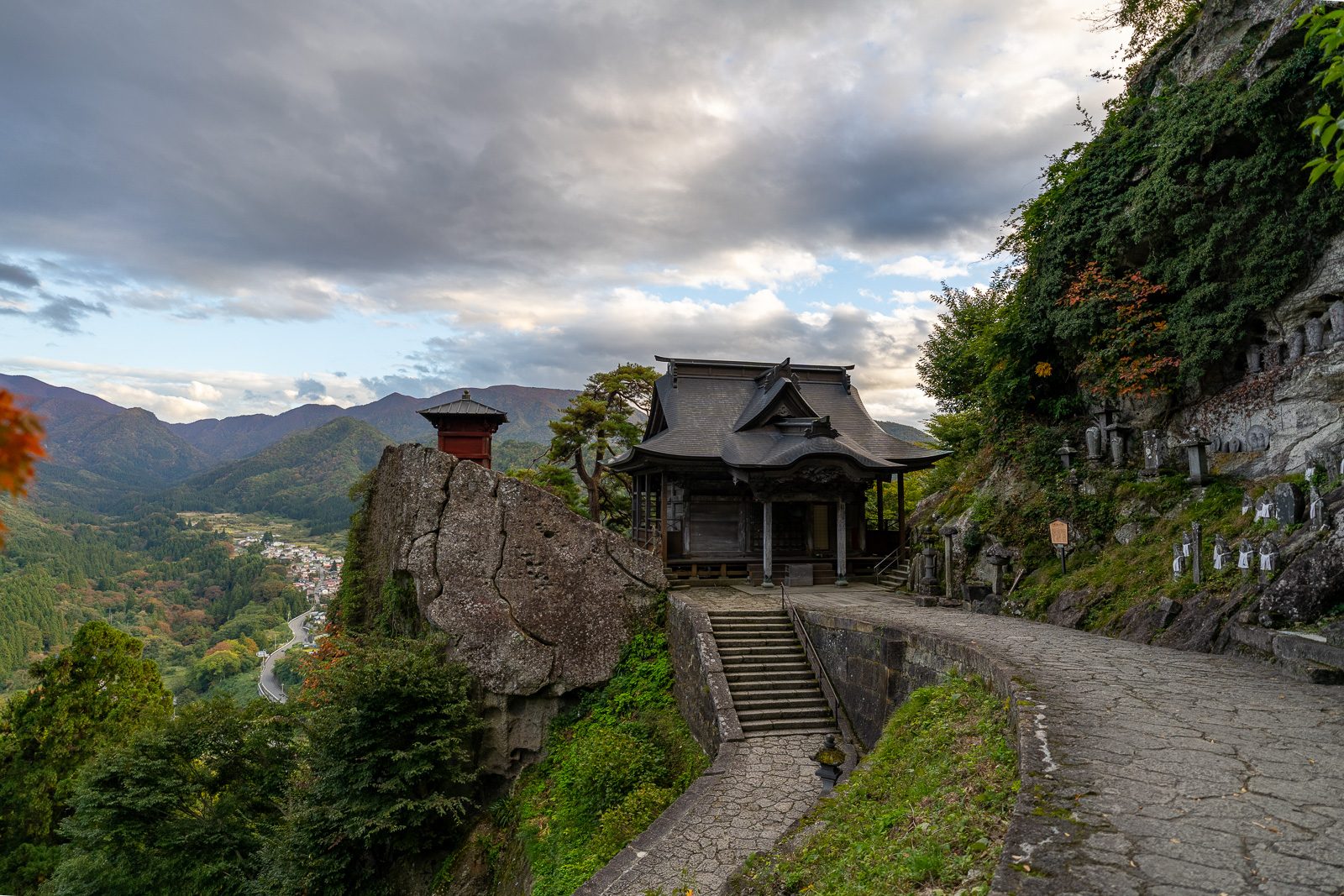
My favorite stop was majestic Nikkō Tōshō-gū shrine. There, we received a blessing for the game from Tokugawa Ieyasu, the enshrined deity. We display the omamori charms and ema plaques prominently in our office: on a high shelf facing south. They constantly remind us of our journey. Though our Hokkaido is fictional, its authenticity stems from these real experiences.

If you’re reading this thinking of visiting Hokkaido someday, my advice is simple: go. Japan exists in many imaginations, and being there feels like a dream realized.


Comments
Comments are currently closedWe’re keeping the thread closed while the headless front settles. Tips and corrections still welcome via Contact.